Plain language articles from OC Wellness in Newport Beach. General education, not medical advice.


Quick answer: PRP scalp injections can increase hair density for many people with pattern thinning, especially when started early. A typical plan is three monthly sessions, then a touch up every three to six months. Results usually show around three to six months, and PRP works best alongside FDA approved medicines such as minoxidil.
Key takeaways
Who it suits. Early to moderate pattern thinning where follicles are still alive
Typical plan. Three sessions a month apart, then maintenance every three to six months
Timeline. Less shedding first, then visible density around three to six months
Evidence. Randomized trials show better density than placebo, though results vary
Best combined. With minoxidil and, when appropriate, other medicines
Why hair thins
The most common cause of thinning in both men and women is androgenetic alopecia, often called pattern hair loss. Hormones and genes cause follicles in certain areas to shrink over time, so each new hair grows finer and shorter until some follicles stop producing visible hair. Other causes include low iron, thyroid problems, recent illness or surgery, stress, crash dieting, some medicines and certain forms of alopecia that need different treatment.
How PRP works for hair
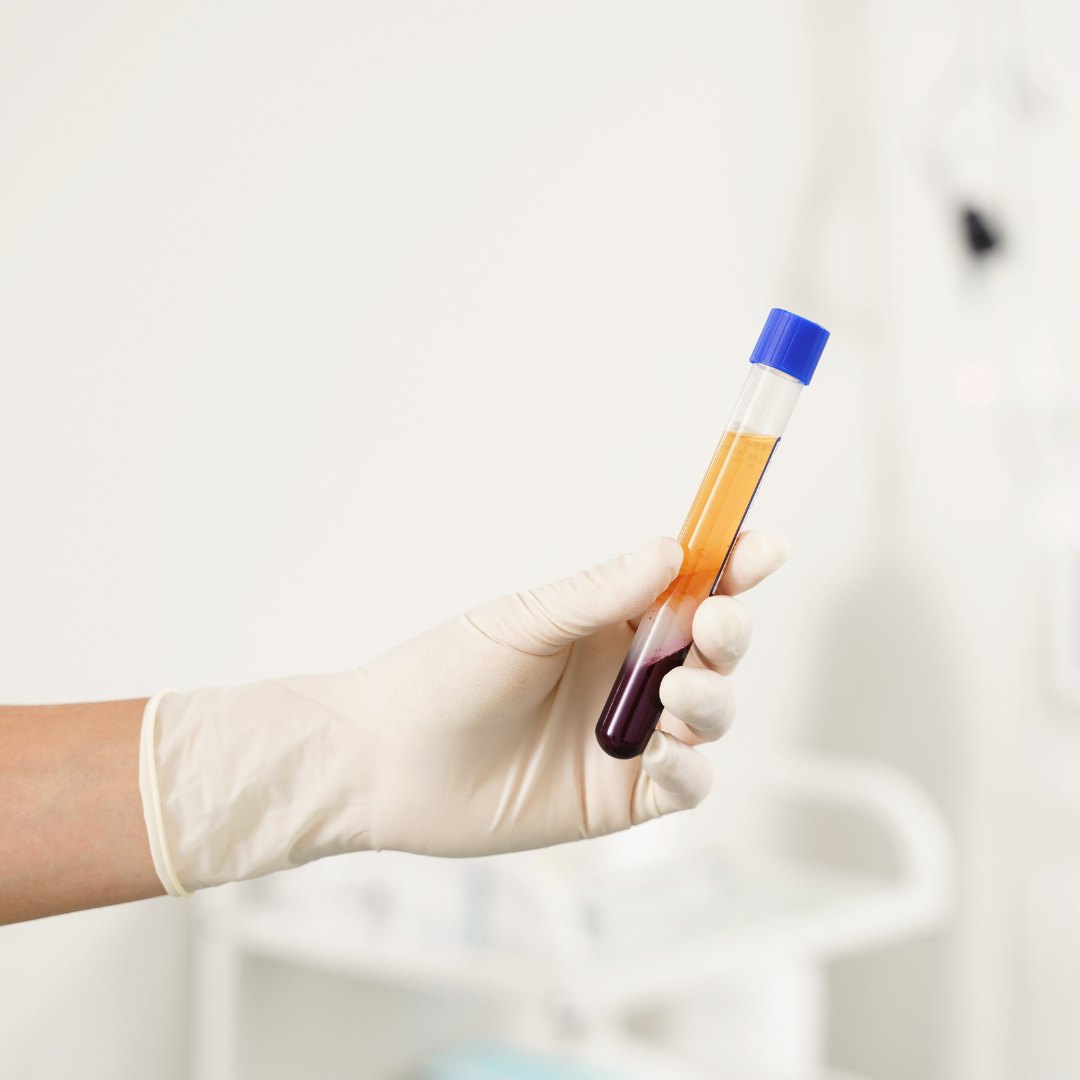
PRP, or platelet rich plasma, is made from a small sample of your own blood. The platelets are concentrated and injected into thinning areas of the scalp. Their growth factors are thought to prolong the growth phase of follicles and help shrinking hairs grow thicker. PRP cannot create new follicles, so it works best where follicles are weakened but still present.
What the research shows
Pooled randomized trials have found higher hair density with PRP than with placebo at three and six months in pattern hair loss. Results for hair count and hair shaft thickness are less consistent across studies, and clinics prepare PRP differently, which makes comparisons harder. PRP is not an FDA approved treatment for hair loss, and your clinician will explain that before you start.
Who is a good candidate
People with early to moderate thinning at the crown, part or hairline who still have living follicles in the area, and who are willing to commit to a series and maintenance. Before treatment we look for other causes. Lab work may include iron studies, thyroid tests and, for some women, hormone tests, because treating an underlying cause can matter more than any injection.
What a session is like
We draw a small amount of blood, prepare the PRP while the scalp is numbed, then inject small amounts across the thinning areas. The visit takes about an hour. Most people feel pressure and mild soreness for a day or two and can wash their hair the next day. We ask you to avoid hair dye and harsh treatments for a few days.
A typical plan
Three sessions about a month apart, then maintenance every three to six months. Pattern thinning continues over time, so stopping all treatment usually means the benefit fades. Progress photos taken in the same light at each visit help us judge results honestly.
PRP works best as part of a plan
Topical or oral minoxidil, finasteride for men, and spironolactone for some women have stronger evidence than PRP alone. Many patients combine them, and PRP can be a useful add on for people who cannot take certain medicines. For areas that are already bald, a hair transplant may be the better option, and PRP can support the remaining hair afterward.
Risks
Tenderness, swelling, a headache or brief shedding after treatment. Infection is rare. We postpone treatment with a scalp infection, certain blood disorders or active cancer treatment.
Questions patients ask
How many PRP sessions do I need for hair?
Usually three sessions a month apart, then maintenance every three to six months.
When will I see results?
Most people notice less shedding first, with visible density changes around three to six months.
Does PRP for hair hurt?
The scalp is numbed. Most people feel pressure and mild soreness for a day or two.
Is PRP permanent?
No. Pattern thinning continues over time, so maintenance sessions and medicines help protect results.
Does PRP work for women?
Yes, women with pattern thinning are included in the research, and we check iron, thyroid and hormones first.
Can PRP regrow a bald spot?
No. PRP needs living follicles. Areas that are fully bald usually need a transplant.
Book a visit in Newport Beach
Read about hair restoration and hair transplants, or book a scalp evaluation. Call 949.222.0232, Monday to Thursday, 9 am to 5 pm. OC Wellness is a self pay practice and does not accept Medicare or bill insurance. Consultations start at $350, and you receive your plan and its full cost in writing before anything is ordered.
Sources
Zhang X, et al. PRP for androgenetic alopecia: meta analysis of randomized trials, 2023.
Gupta AK, et al. PRP for androgenetic alopecia: systematic review. J Cosmet Dermatol, 2019.
This article is general education, not medical advice, and reading it does not create a doctor patient relationship. Whether a treatment is right for you depends on an exam by a licensed clinician. Results vary from person to person, and no result is guaranteed. If you think you are having a medical emergency, call 911.